Description
Dry-Type Transformer Enclosure
Dust, water and touch protection around dry-type units
Overview
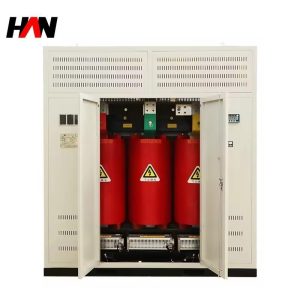
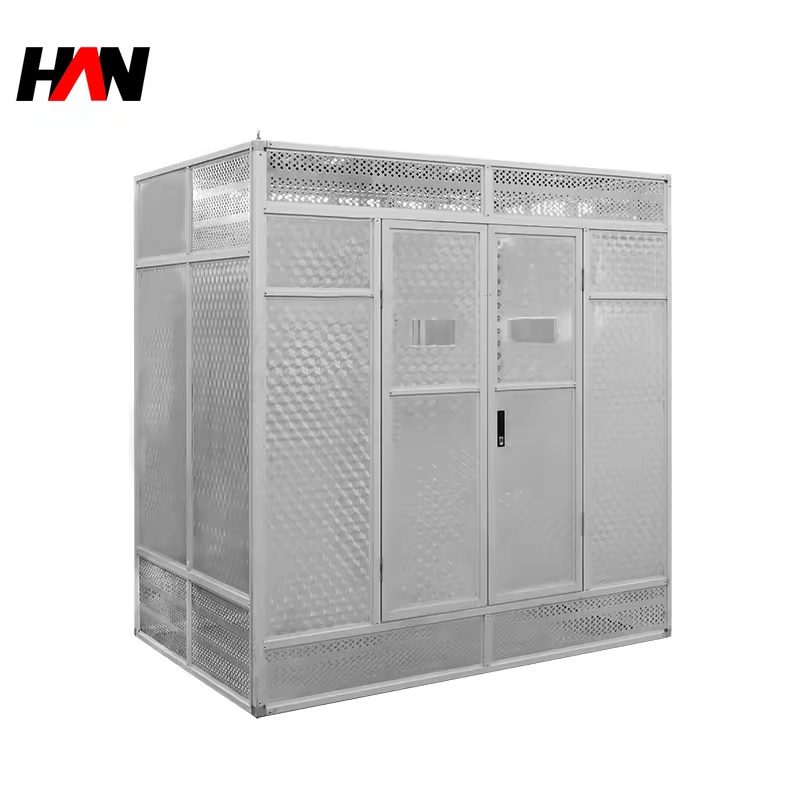
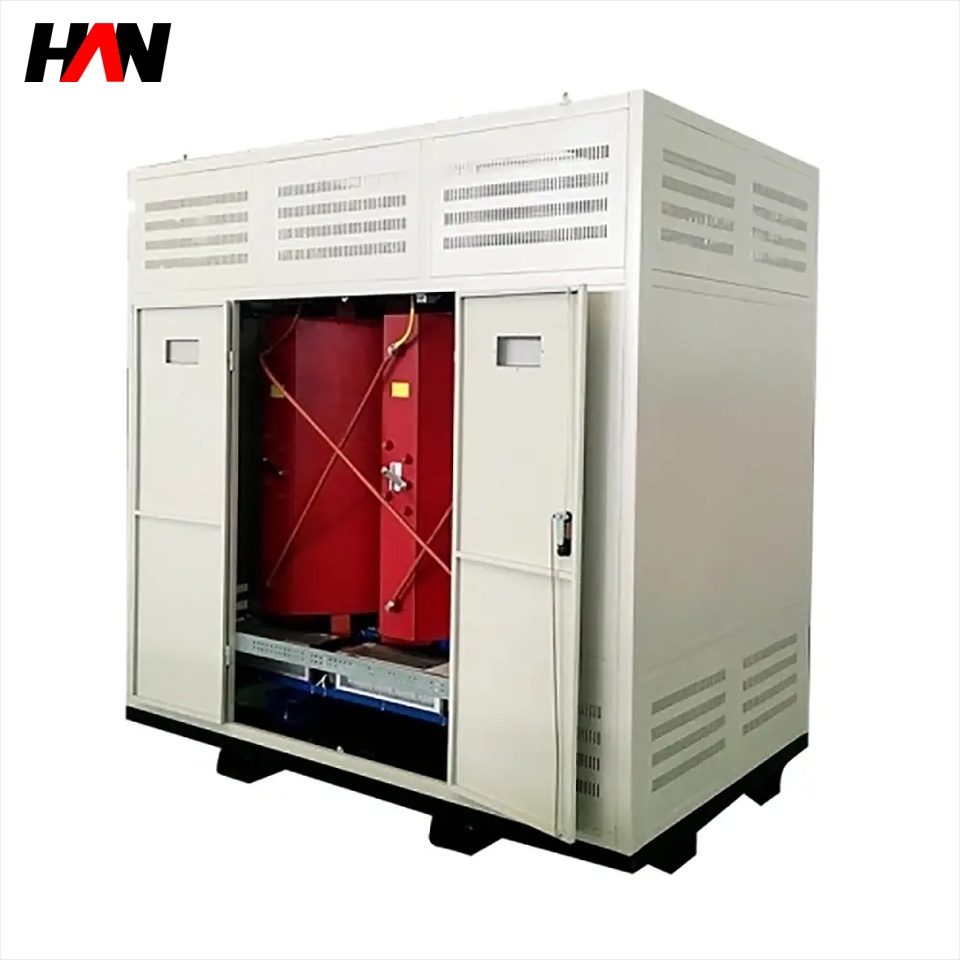
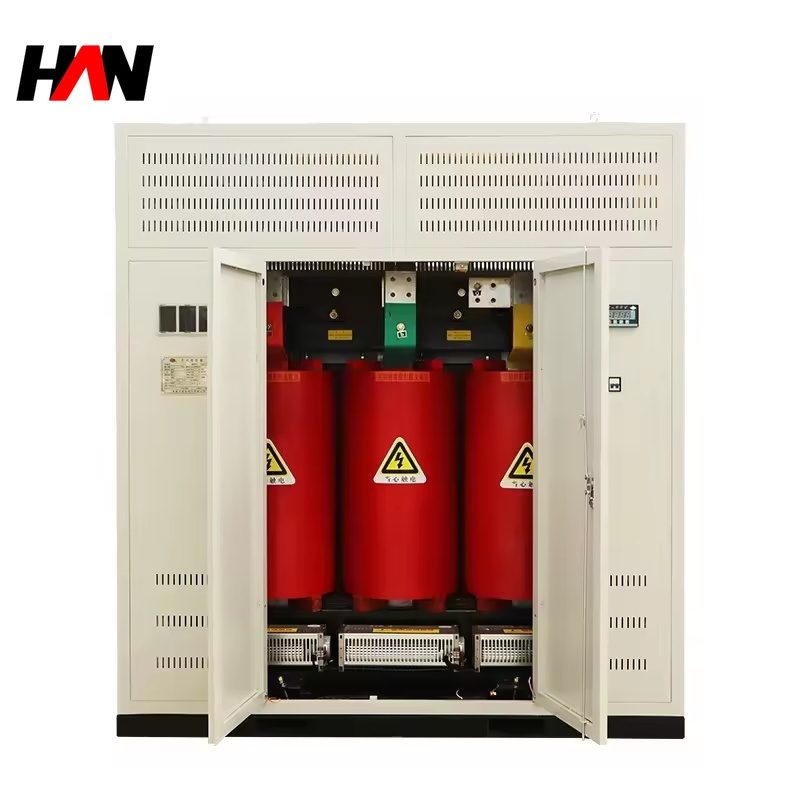
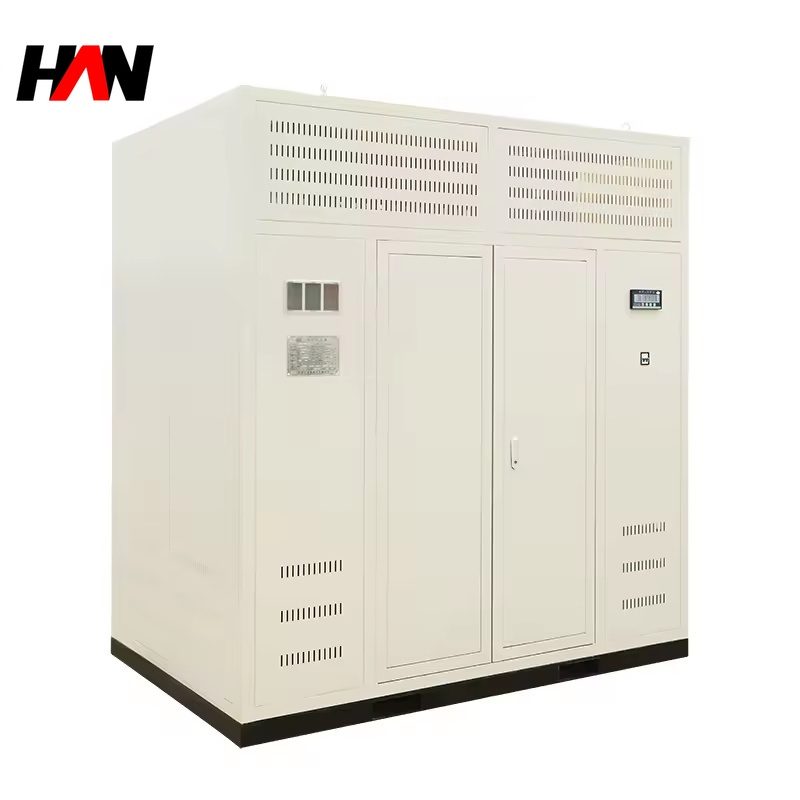
A dry-type transformer enclosure is the sheet-steel or stainless cabinet that stands around a cast-resin or open-wound dry-type unit. It is not a cosmetic cover. The enclosure fixes the protection degree of the whole installation, it decides how the coil heat leaves the room, and it sets the distance a maintenance fitter can stand from live terminals. In a melt shop the enclosure is often the difference between a dry-type transformer that survives beside a dedusting duct and one that trips on an earth fault every wet season.
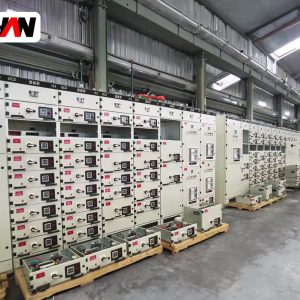
These enclosures are used wherever a dry-type unit is installed inside the plant instead of in a fenced yard: furnace-front electrical rooms, the electrical room of a billet continuous casting machine, basement cable rooms, dedusting fan houses and water-treatment buildings. HANI Metallurgy supplies them as a matched accessory to 100-2500 kVA cast-resin units, in IP20, IP23 and IP54, in stainless steel 304 or galvanised sheet, with the door, louvre and cable-entry pattern agreed before the unit leaves the works. Fitting an enclosure after the transformer has been ordered is always a compromise, because the coil-to-wall clearance and the airflow path are fixed by the transformer outline drawing.
Technical Parameters
| Parameter | Unit | IP20 | IP23 | IP54 |
|---|---|---|---|---|
| Protection degree | — | IP20 | IP23 | IP54 |
| Airflow path | — | open top and bottom | louvred, rainproof | filtered, recirculating |
| Material | — | galvanised sheet | galvanised / 304 | stainless 304 |
| Door type | — | single, screwed | hinged, key lock | double, gasketed |
| Ventilation | — | natural | natural, louvre | forced, fan interlocked |
| Max ambient | — | per transformer rating | per transformer rating | derated, see datasheet |
| Noise attenuation | — | none | slight | noticeable |
| Mounting | — | floor, indoor | floor, indoor / canopy | floor, outdoor canopy |
| Applicable standard | — | IEC 60529 / IEC 60076-11 | ||
Typical values for reference. Final ratings, protection degree and enclosure dimensions are fixed on the nameplate and the approved project datasheet.
How It Works Under Furnace Duty
A dry-type transformer rejects its losses through the coil surface, and the coil surface only works if air can move across it. Heat leaves the winding by radiation and natural convection to the air inside the enclosure, the air rises, and the enclosure must let that air out at the top and pull cool air in at the bottom. Every increase in protection degree closes part of that path. IP20 keeps fingers and tools out but lets dust in. IP23 adds a rainproof louvre, which costs some free area. IP54 closes the box almost completely, so the same coil in the same room will run hotter, and the only honest options are a larger transformer, forced ventilation, or a documented derating.
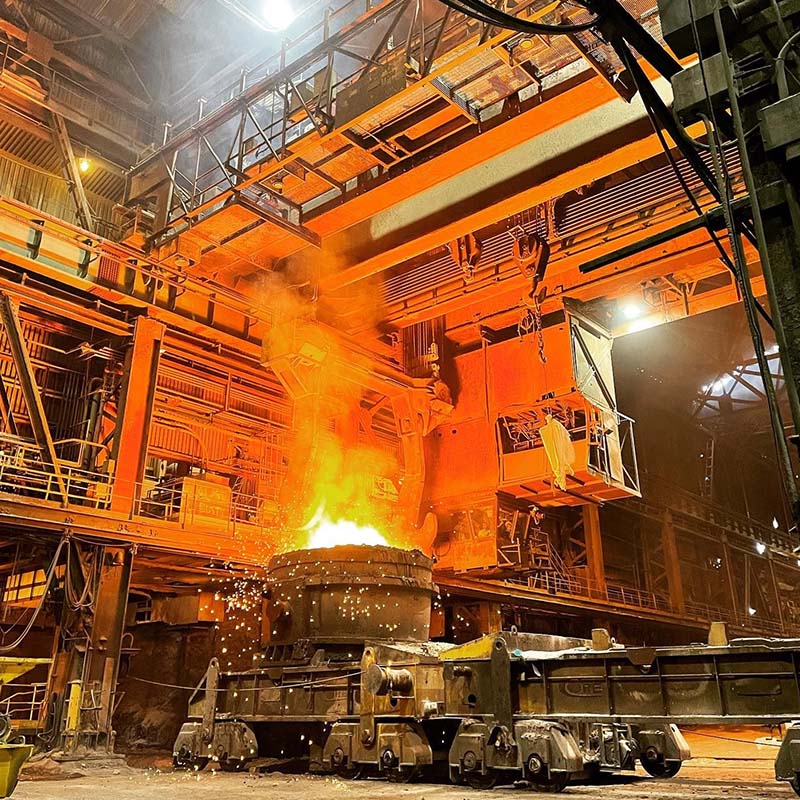
In a melt shop the air is not clean. Metal dust from charging and tapping, graphite from the electrode column and lime from the ladle area all settle on the coil ducts. A louvre with a fine filter will stop the dust, but the filter then blocks within weeks, airflow falls and the winding temperature climbs without any visible alarm. For that reason HANI builds the louvre and filter as removable cassettes that can be taken out and washed during a scheduled stop, and we recommend a winding temperature trip rather than a winding temperature alarm alone on units installed in the dusty zone.
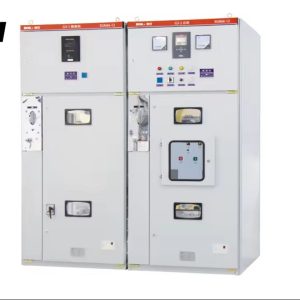
The enclosure also carries the electrical safety functions. The door is bonded to the frame, the frame is bonded to the plant earth bar, and the opening is interlocked with the upstream breaker or with a limit switch that drops the transformer feeder. Where the unit is fed from a ring main unit or a feeder cubicle with a key-transfer scheme, the door lock and the earthing switch share the same key so that the compartment cannot be opened while the cable is live. An external live-line indicator is fitted on IP54 units because the door is opaque and the operator cannot see the coil.
Engineering notes
1. Fix the enclosure together with the transformer outline, not after it; coil-to-wall clearance is set by the airflow, not by the sheet-metal module.
2. On IP54 units the forced fan must be interlocked with the transformer winding temperature controller, and a fan failure must trip or derate the load.
3. Outdoor installation needs a rain canopy, a raised plinth and a vent path under the base, otherwise condensate collects inside the box.
Key Advantages
- Protection matched to the room: IP20, IP23 and IP54 versions of the same frame, so a clean electrical room and a dusty dedusting building are served by the same outline drawing and the same spare door.
- Washable louvre cassettes: the dust trap is a removable panel, not a disposable filter, so cleaning is a ten-minute job during a planned stop instead of a shutdown task.
- 304 stainless option: for furnace-front rooms where water sprays, acid pickling fumes and washdown are normal, the frame and panels are formed from stainless rather than painted sheet.
- Door interlock and live indication: the door cannot be opened on a live feeder, and an external indicator shows the state of the coil without opening the box.
- Built as a transformer accessory: cable-entry plates, earthing studs and fan power terminals are prepared in the works, which keeps site work to bolting the sections together and pulling the cable.
Selection and Commissioning
- Start from the room, not the box. Dust load, water ingress, washdown and ambient temperature decide the protection degree; the transformer rating then decides the free area.
- Check the derating before the order. An IP54 enclosure reduces the heat that can leave the coil, so the same unit must be ordered with a lower temperature rise or a larger frame.
- Agree the cable entry. Bottom entry from a trench, top entry from a tray and side entry from a duct all need a different plate; changing it on site means cutting galvanised steel and losing the finish.
- Bond the frame first. The enclosure earth bar is connected to the plant earthing system before any cable is terminated, and the bonding conductor is sized for the prospective fault current of the feeder.
- Wire the thermal signals. Winding temperature, fan running and door position are wired back to the control system, because an enclosure fault that nobody sees is the same as no protection.
- Commission with a load run. Log the winding temperature over a full shift at operating load; a rise that keeps climbing after the first hours points to blocked louvres or a fan running backwards.
Frequently Asked Questions
Q1: Will an IP54 enclosure overheat the transformer?
A: It will run hotter than the same unit in IP20, because the closed box reduces convective airflow. The fix is not to ignore it: either the transformer is derated, or forced ventilation with a fan interlock is fitted. With one of those two measures the winding hot spot stays inside the insulation class limit.
Q2: Should a fine filter be added where the dust is heavy?
A: Only if somebody will clean it. A fine filter in a melt shop blocks quickly, and a blocked filter is worse than no filter because the airflow falls while the box still looks closed and correct. Removable louvre cassettes plus a scheduled wash are the practical answer; filter mats are used where the dust is fibrous or where the room is air-conditioned.
Q3: How large an enclosure can be built?
A: The limit is transport and door width, not the sheet metal. Enclosures for large dry-type units are built in bolt-together sections with sealed joints, so a unit that will not pass through a 2 m door is shipped as panels and assembled around the transformer in the room.
Q4: Can the enclosure be installed outdoors without a building?
A: Yes, with the outdoor version: stainless or galvanised panels, a rain canopy over the doors, a raised plinth with a vent path, and an anti-condensation heater on the coil side. Direct sun on a dark panel adds to the thermal load, so a light finish or a shade structure is worth having.
Protect the Transformer, Not Just the Room
Send the transformer rating, the room conditions and the cable entry arrangement, and HANI Metallurgy will return an enclosure with the right protection degree and the right airflow.