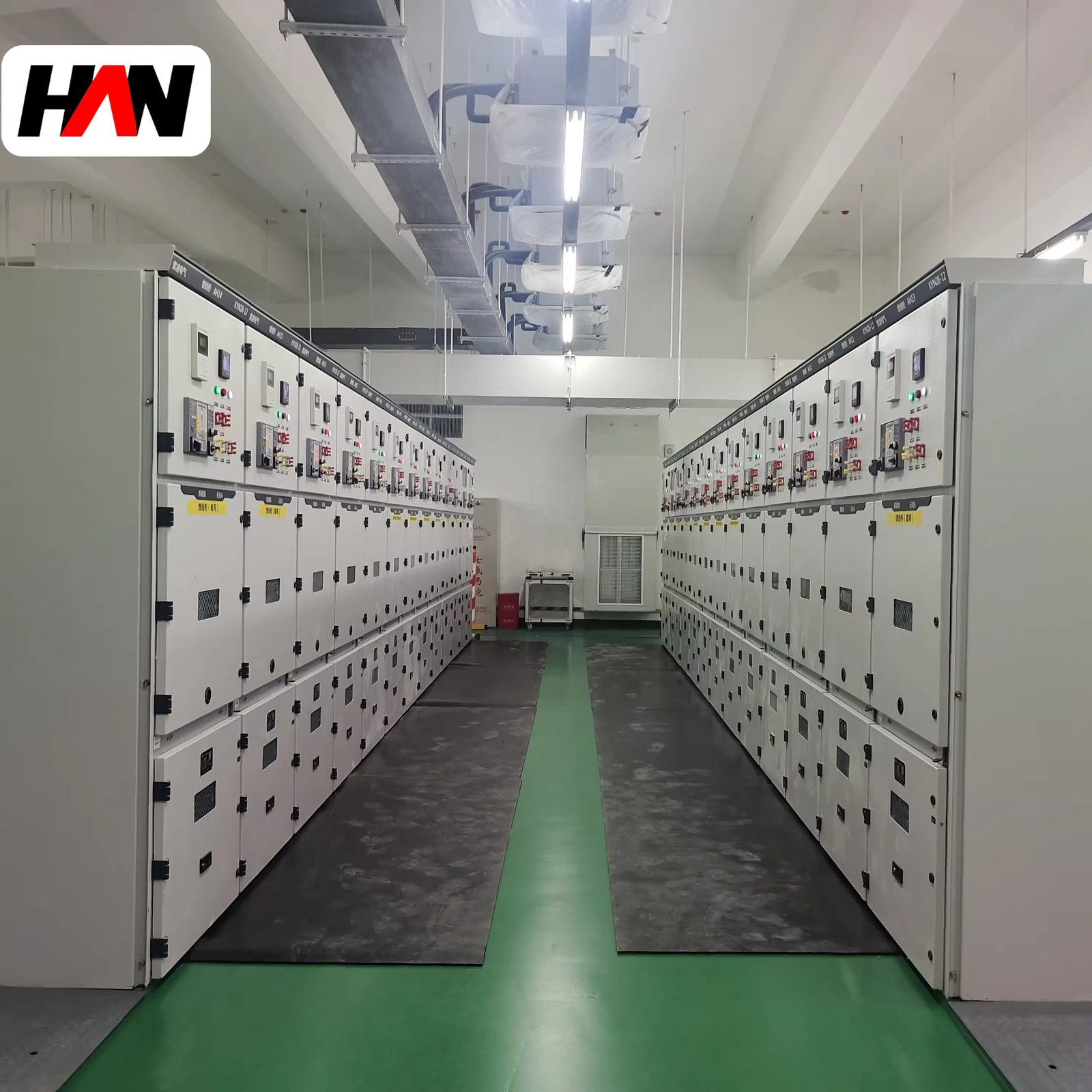
Description
13.8 kV Switchgear, IP65
Sealed metal-clad distribution for export smelting projects
Overview
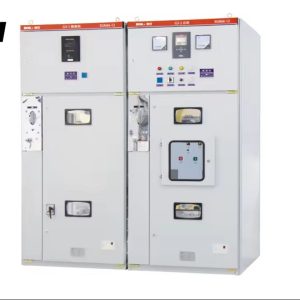
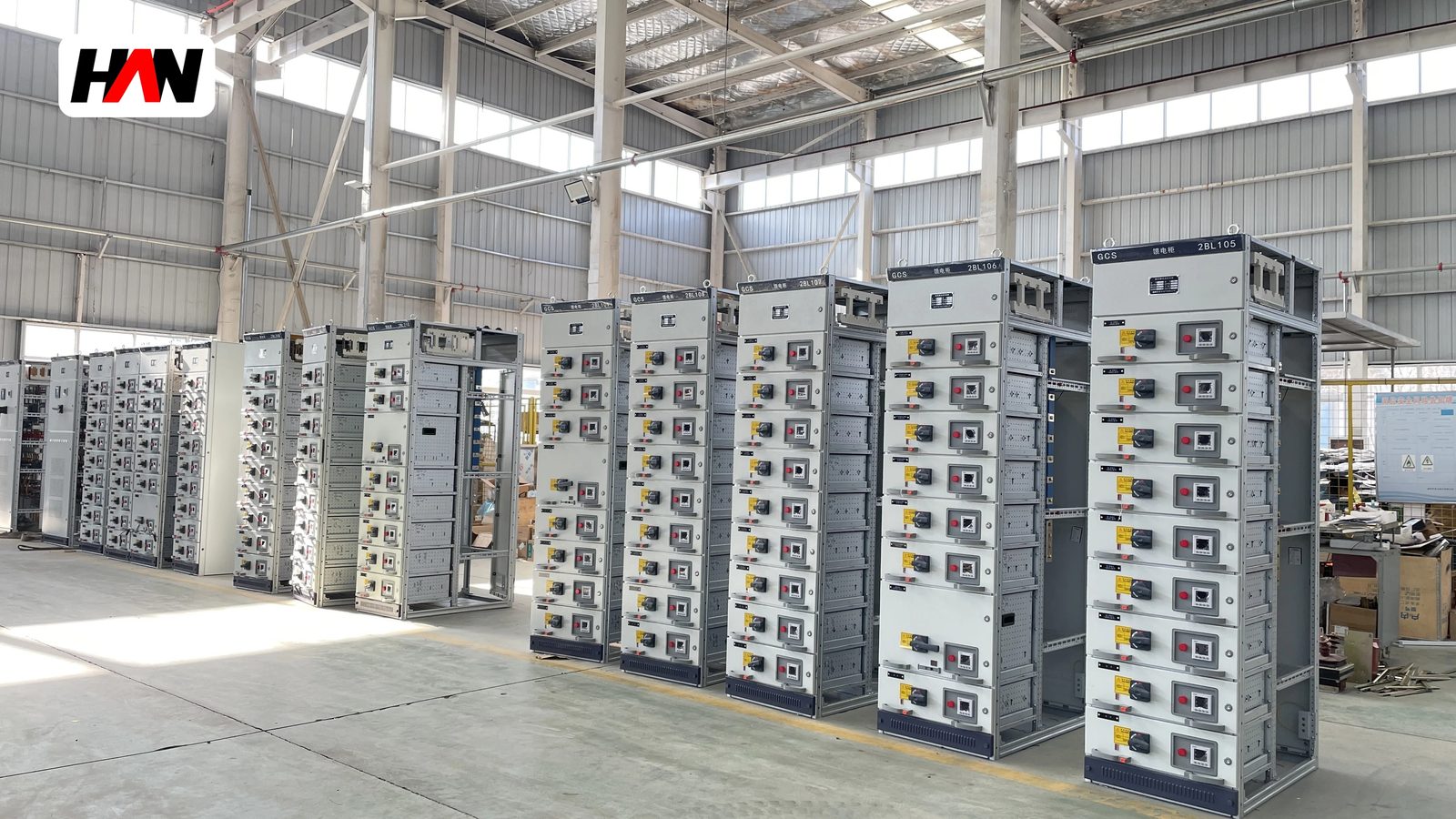
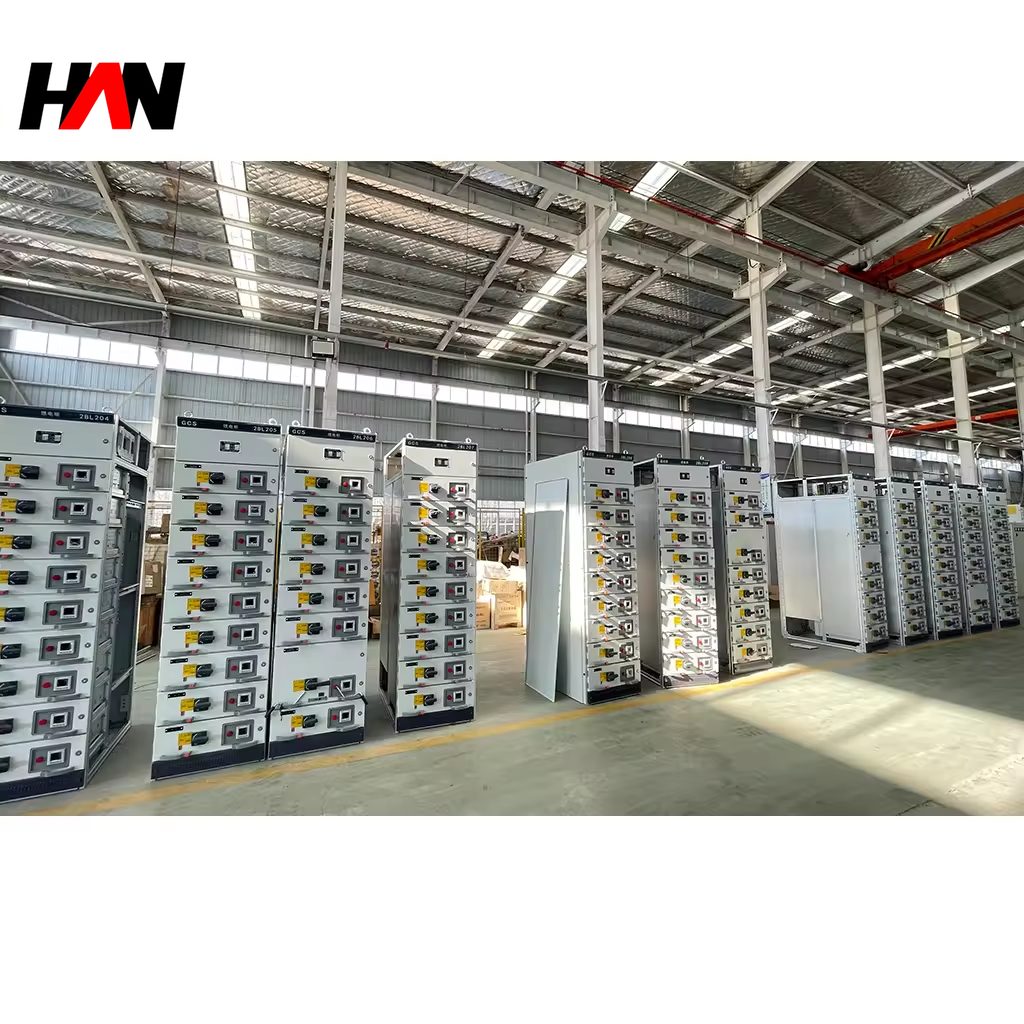
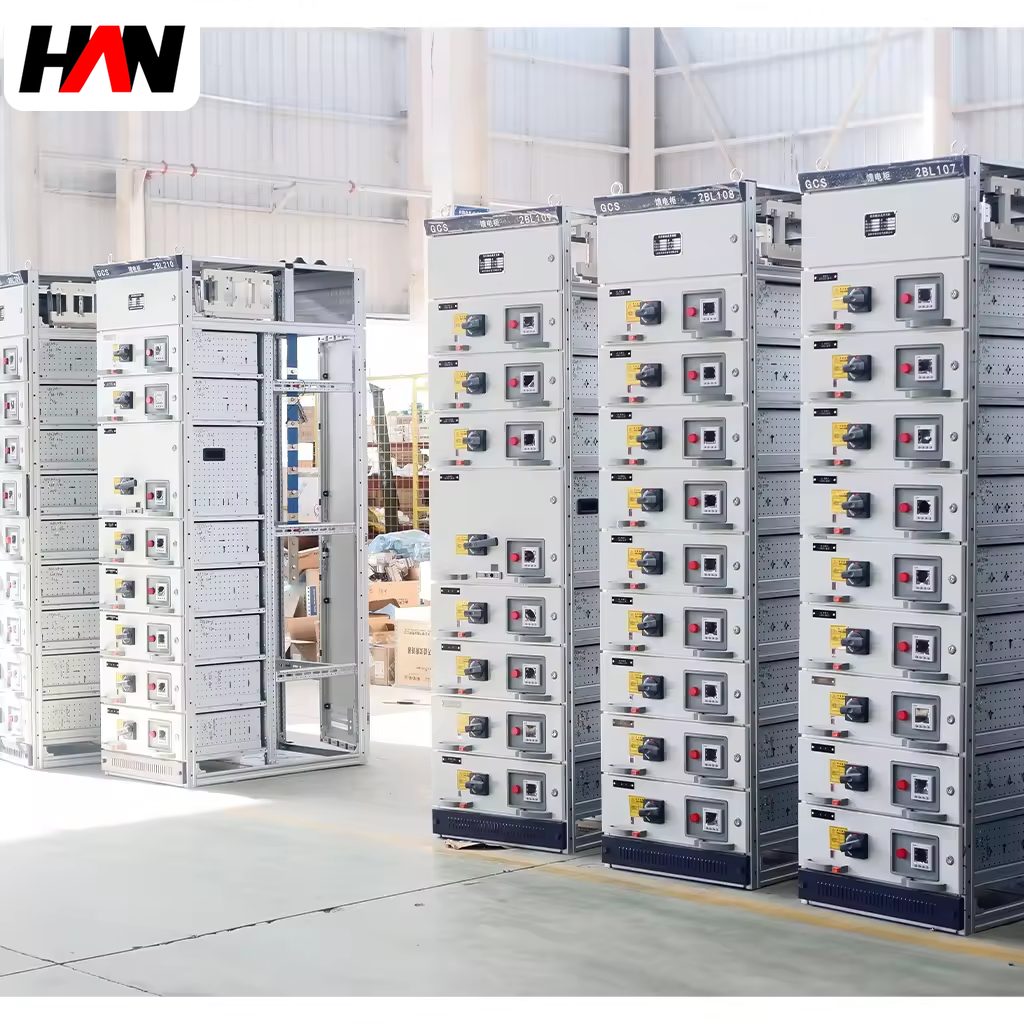
A 13.8 kV IP65 switchgear assembly is a metal-clad medium-voltage board built for a 13.8 kV distribution system and enclosed in a sealed, dust-tight and water-jet-tight housing. 13.8 kV is a common distribution voltage in the Americas and in parts of South-East Asia, so this board is normally specified for export smelting projects where the local grid is 13.8 kV rather than the 10 kV or 6 kV used elsewhere. The IP65 enclosure is what separates it from a standard indoor cubicle: the doors are gasketed, the cable entries are sealed, and the interior is protected against dust ingress and against water projected from a nozzle.
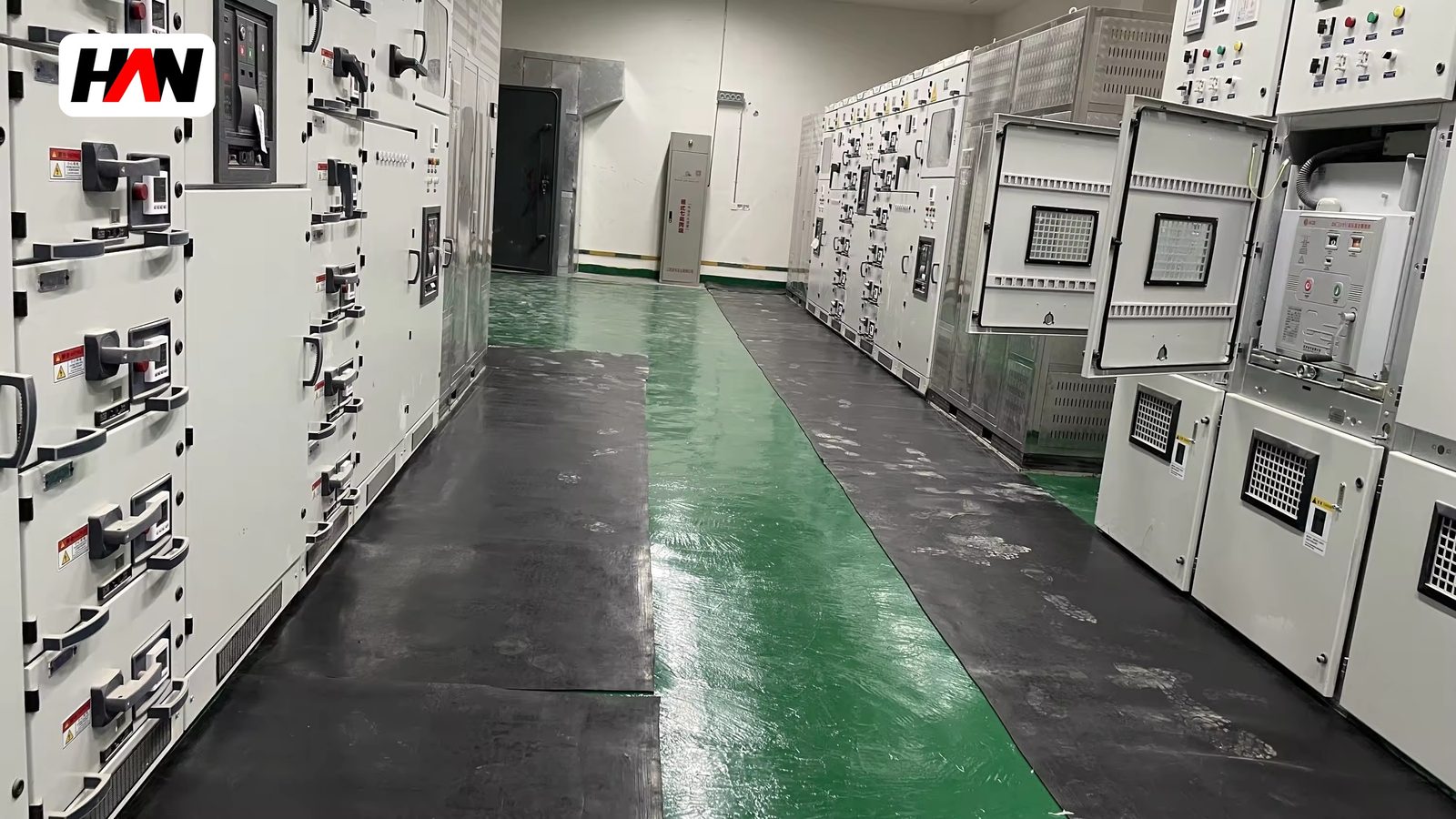
That combination makes sense in a melt shop that cannot give the switchboard a clean, air-conditioned room. HANI Metallurgy builds this family with a busbar rated from 630 A to 2000 A and a short-time withstand of 25 kA for 3 s, to IEC 62271-200 with the enclosure degree verified to IEC 60529. It is used as the medium-voltage distribution board inside a dusty melt shop building, as the switching section of an outdoor prefabricated substation, and as the feeder board for furnace transformers and large auxiliary drives where the electrical room is close to the charging floor and the dedusting ductwork.
Technical Parameters
| Parameter | Unit | 630 A | 1250 A | 2000 A |
|---|---|---|---|---|
| Rated current | A | 630 | 1250 | 2000 |
| Rated voltage | kV | 13.8 | 13.8 | 13.8 |
| Short-time withstand, 3 s | kA | 25 | 25 | 25 |
| Peak withstand | kA | 63 | 63 | 63 |
| Lightning impulse withstand | kV | 95 | 95 | 95 |
| Protection degree | — | IP65, gasketed, pressure-relief flaps | ||
| Cooling and humidity | — | natural airflow path plus internal dehumidification | ||
| Maximum ambient | °C | 45 | ||
| Main busbar | A | 630 – 2000, copper, sealed busbar chamber | ||
| Service continuity | — | LSC2B, metal-clad, withdrawable vacuum breaker | ||
| Design standard | — | IEC 62271-200 / IEC 60529 | ||
Typical values for reference. Final ratings, protection degree and derating factors are confirmed on the nameplate and the approved project datasheet.
How It Works Under Furnace Duty
A sealed board solves one problem and creates another. The gaskets and the closed cable entries stop dust, water and salt-laden air from reaching the insulation surfaces, which is exactly what a melt shop needs, because conductive dust on a busbar support is the classic cause of a flashover. The same gaskets stop heat from leaving. Inside a closed cubicle the losses from the busbar, the breaker contacts and the current transformers have nowhere to go except through the steel panels, and steel is a poor heat exchanger. The practical result is that the same current rating that is comfortable in an open indoor board has to be reduced, or the enclosure has to be given a controlled airflow path with filtered inlet and outlet.
The second problem is condensation. A sealed box is not a dry box. Warm humid air is trapped inside at commissioning, and when the room cools overnight the moisture condenses on the coolest metal, which is usually the cable termination or the busbar support. The answer is a combination: a desiccant or a small dehumidifier for the volume, anti-condensation heaters controlled by a hygrostat, and a pressure-relief flap that opens on an internal arc without letting dust in during normal operation. The heaters stay energised while the feeder is isolated, because an isolated board in a humid room is exactly the case that produces a flashover on the next energization.
In an export project the board is often combined with an outdoor transformer or a prefabricated substation, and then the IP65 rating covers the interface as well: cable glands, the seal around the transformer cable box entry, and the way the enclosure sits on its plinth. Salt spray and acid mist are the worst cases, so the paint system and the stainless hardware are specified with the environment in mind, and the pressure relief is arranged so that it discharges away from the walkway.
Engineering notes
1. Derate before you order: a sealed cubicle runs hotter than an open one, and the derating is fixed by the ambient of the room, not by the standard rating.
2. Heaters and the dehumidifier need their own supply so that they keep working when the feeder is racked out.
3. Every cable gland and every unused entry is sealed; one open knockout undoes the IP65 rating of the whole section.
Key Advantages
- Sealed against conductive dust: gasketed doors and sealed cable entries keep metal and graphite dust off the insulation surfaces, which is the dominant failure mode in a melt shop electrical room.
- Correct voltage for the local grid: a 13.8 kV rating matched to the distribution voltage of the project, with the insulation level and the arrester selection made for that system rather than adapted from another.
- Humidity control as part of the design: hygrostat-driven heaters and internal dehumidification are wired on a dedicated circuit, so a shutdown does not leave a damp board waiting to flash over.
- Pressure relief without dust ingress: the relief flaps open only on an internal fault, and the discharge is directed away from the operating aisle.
- Built to travel: sealed sections, stainless hardware and a paint system chosen for the site atmosphere, so the board arrives at an overseas project in the condition it left the works.
Selection and Commissioning
- Read the site conditions. Ambient temperature, dust load, humidity, salt spray and whether the board sits indoors or under a canopy decide the protection degree and the derating together.
- Fix the derating with the ambient. A sealed board in a 45 °C room cannot carry its nominal current at every feeder; the current is corrected before the busbar and the breaker are chosen.
- Agree the airflow and the humidity scheme. Whether the enclosure relies on natural circulation, filtered forced air or a dehumidifier is decided on the drawing, not on site.
- Seal the cable entries as a package. Glands, sealing plates for spare entries and the transformer cable box interface are supplied together, because each one is a hole in the IP65 boundary.
- Test the enclosure as an enclosure. The gasket compression, the door alignment and the relief flap seating are checked before energization, and the heater circuit is proven live with the feeder isolated.
- Commission with the room dry. Insulation resistance is measured after the heaters have run long enough to drive out commissioning moisture, and the reading is recorded with the ambient conditions.
Frequently Asked Questions
Q1: How does an IP65 board get rid of its heat?
A: Through the enclosure surface plus a controlled airflow path with filtered inlet and outlet, where the design allows one, and through derating where it does not. The heat balance is calculated at the project ambient; a sealed box that is simply built to the nominal rating will run above its temperature-rise limit.
Q2: How is condensation handled inside a sealed cubicle?
A: With anti-condensation heaters on a hygrostat, a small dehumidifier or desiccant for the enclosed volume, gaskets in good condition and a strict rule that the board is only opened in dry weather. The heaters are fed from a circuit that stays live when the feeder is isolated.
Q3: What is the practical difference between 13.8 kV and 12 kV equipment?
A: Mostly the system it serves and the insulation coordination around it. The voltage classes are close, but 13.8 kV is a distribution voltage used in specific markets, so the arrester rating, the cable insulation and the transformer primary are all selected for that system rather than for a 12 kV one.
Q4: Can it be installed outdoors without a building?
A: With a canopy or as part of a prefabricated substation, yes. The IP65 enclosure protects the interior, but direct sun, rain on the doors and a wet plinth still need a canopy, a raised base and a drainage path so that water does not stand under the cubicle.
Order the Board for the Site, Not the Catalogue
Send the system voltage, the ambient conditions, the dust and humidity level and the feeder list, and HANI Metallurgy will return a 13.8 kV IP65 lineup with the derating and the humidity scheme already calculated.